
Dubai · Buying guide
Buying property in Dubai: how the process works
The short answer
Buying a ready property in Dubai follows a regulated sequence: settle your budget and financing, agree terms, sign a contract with a deposit, clear the checks and complete the transfer at the Dubai Land Department (DLD). Where foreign nationals may own, and what each step costs, depends on the property and on your circumstances, so confirm both at source.
Key facts
- Registry
- Dubai Land Department
- Conduct regulator
- RERA, part of DLD
- Foreign ownership
- Designated freehold areas
- Ready or off-plan
- Different processes
On this page
- Who regulates property in Dubai?
- Can foreigners buy property in Dubai, and where?
- How does buying a ready property in Dubai work?
- What should I check before I commit?
- How do I read a property listing or advert?
- The process, step by step
- Costs to plan for
- Documents you will need
- Common mistakes
- Questions to ask
- Questions people ask
Who regulates property in Dubai?
Dubai’s market is governed by public bodies rather than private convention. The Dubai Land Department records ownership and registers transfers. The Real Estate Regulatory Agency (RERA), which sits within DLD, regulates brokers, developers and project escrow. In practice most steps leave an official record, and most costs can be checked against published rules.
That structure makes the process more transparent, not automatically simple. Property types differ, developers run their own sales processes, and rules change. Treat this guide as orientation and confirm current requirements with the official sources listed below.
Can foreigners buy property in Dubai, and where?
Under Dubai’s property registration law, non-UAE nationals can own freehold property in areas designated for that purpose, and can hold long-term usufruct or leasehold rights there. Outside those areas, ownership is generally reserved for UAE and GCC nationals and certain companies. Whether a particular community qualifies is a question to settle with DLD or a licensed professional before you spend money on it.
Ownership and residency are separate questions. UAE residence programmes for property investors exist, but their criteria are set by the federal authorities and change from time to time. Do not assume that buying brings a residency right; check the current rules with the Federal Authority for Identity, Citizenship, Customs and Port Security (ICP) or on the official UAE government portal.
How does buying a ready property in Dubai work?
A resale usually starts with a written agreement between buyer and seller setting out the price, the deposit, the conditions and the timetable. A deposit is commonly held while the checks are completed, often by the brokerage or in a regulated way. Where the property is mortgaged, the seller’s existing loan must be settled as part of the transfer.
Transfer is registered by DLD, usually through a real estate registration trustee office, where the buyer and seller (or their representatives) complete the transaction and the title is recorded in the buyer’s name. In freehold areas the developer normally has to issue a no-objection certificate first, which typically depends on service charges being paid up.
What should I check before I commit?
Confirm that the seller is the registered owner and has the right to sell. Check whether the title carries a mortgage or other encumbrance. Ask for evidence that service charges are up to date. Make sure the unit, parking and any storage are what the paperwork describes, and look at the building’s condition and the community’s rules.
If a document is unclear, ask a licensed professional to explain it in writing. A short explanation costs little against the cost of a misunderstanding.
How do I read a property listing or advert?
Property adverts in Dubai are supposed to carry a permit issued under the regulator’s advertising rules. A missing or mismatched permit is a reason to ask questions. Treat any claim about returns, price rises or scarcity as marketing until you can verify it independently.
What are the steps?
Timings are described in general terms. They are not commitments and depend on the parties involved.
- 01
Clarify purpose and budget
Home, investment or both; the amount you can commit; whether you will borrow; ready or off-plan.
- 02
Confirm financing
If borrowing, ask a lender or mortgage specialist for pre-approval so the budget rests on the lender’s own criteria.
- 03
Shortlist and inspect
Compare against your brief, visit what fits, and check service charges, community rules and the building’s condition.
- 04
Agree terms and sign
Negotiate the price and conditions, then sign the contract and pay the deposit as set out in it. Read it, or have it read, first.
- 05
Complete the checks
Verify title, outstanding charges, and any lender and developer requirements; resolve questions in writing.
- 06
Settle and transfer
Arrange the balance and any mortgage drawdown, then complete the transfer so the title is recorded in your name.
- 07
Take possession
Receive keys and documents, set up utilities, insurance and service-charge arrangements, and decide how the property will be managed.
What does it cost?
Rates are set by authorities, lenders and developers and change, so confirm the current figure before you budget.
| Cost | Typically | Note |
|---|---|---|
| Purchase price | Agreed between the parties | Your largest cost and not a fixed figure |
| Transfer and registration fees | Set by Dubai Land Department | Confirm the current rates and who bears them before you sign |
| Agent commission | Agreed in advance | Ask who pays and when it falls due |
| Mortgage-related costs | Set by the lender | Arrangement, valuation and registration costs can apply |
| Service charges | Ongoing, set per building or community | Ask for the current charge and recent history |
| Legal or advisory support | Optional, agreed in advance | Common for first purchases and cross-border buyers |
Which documents do I need?
A typical list. Your situation may need more or fewer.
- Valid passport and, where applicable, residence visa and Emirates ID
- The signed contract between buyer and seller
- Evidence of the deposit and balance payments
- Mortgage approval or offer letter, where financing
- The seller’s title deed
What mistakes should I avoid?
Committing before financing is confirmed
A lender’s valuation and criteria can differ from your assumptions. Confirm what you can borrow before signing anything binding.
Budgeting for the price only
Fees, service charges and financing costs add up. Build them into the budget from the start.
Relying on verbal assurances
If a statement matters, such as what is included or when something will happen, get it into the written agreement.
Treating ownership as a visa
Residency rules are separate and change. Verify any visa claim with the authority, not the seller.
Skipping title checks on a resale
A clean-looking unit can still carry a mortgage, a charge or a dispute. Check the registered position.
What should I ask?
Put these in writing and keep the answers.
- Is this property in an area designated for ownership by non-UAE nationals, and what form of title will I receive?
- Is the seller the registered owner, and is there a mortgage or other charge on the title?
- What are the current service charges, and are they paid up?
- Which costs fall to me and which to the seller, in writing?
- What happens to my deposit if the transaction does not complete?
Questions people ask
Can a non-resident foreigner buy property in Dubai?
Yes, in areas designated for ownership by non-UAE nationals; living in the UAE is not a condition of ownership there. The designated areas are set by the authorities, so confirm the position for the specific property.
How long does a purchase take?
A cash purchase of a ready property can move quickly once terms are agreed. A mortgage adds lender valuation and approval time. We do not quote a fixed number because it depends on the parties and the paperwork.
Do I need an advisor or a lawyer?
Not always, but many buyers use one, particularly for a first purchase, an off-plan deal or a cross-border situation. Use professionals who are properly licensed and who explain things in writing.
Is property a guaranteed investment?
No. Values and rents can rise or fall, and nothing in this guide is a prediction or promise of return.
Practical guidance
Sources
- 01Dubai Land Department — official services and informationDubai Land Department
- 02Real Estate Regulatory Agency — regulation and guidanceRERA (Dubai)
- 03Dubai real estate legislation (property registration, escrow, interim register, tenancy)Government of Dubai Legislation portal
- 04Nucleus editorial reviewNucleus Properties
This guide is educational. It is not legal, tax or financial advice, and it is not an offer. Guides educate; speak to an advisor to apply them to your situation.
Continue reading
Areas
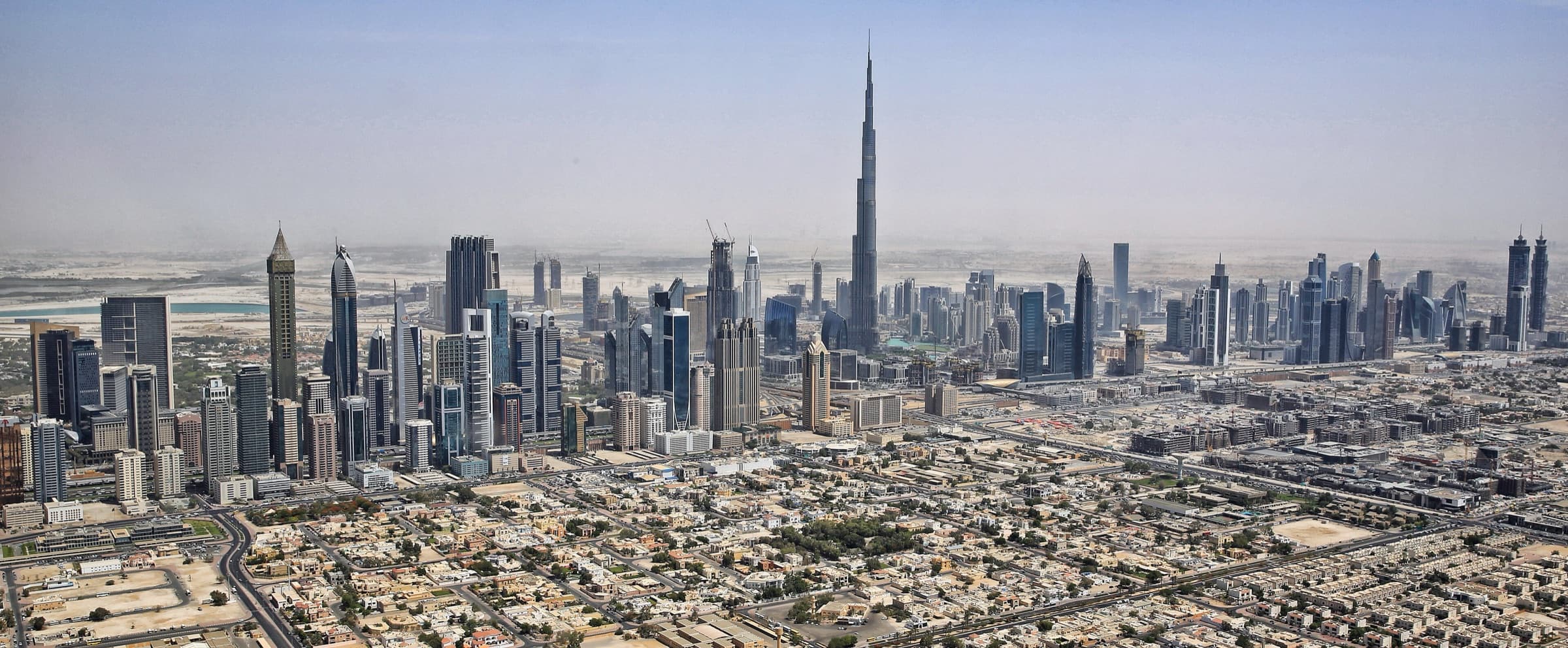
Downtown Dubai
Downtown Dubai is a dense, high-rise city-centre district built around the Burj Khalifa, The Dubai Mall and Burj Khalifa Lake. It is an urban address for apartment buyers who value centrality and convenience over space.

Dubai Marina
Dubai Marina is a waterfront district of high-rise towers around a man-made marina, with a walkable promenade, dining and an established rental market. It suits apartment living close to the sea rather than villa living.

Dubai Hills Estate
Dubai Hills Estate is a master-planned, green-led residential community in central Dubai, built around an 18-hole golf course, Dubai Hills Park and Dubai Hills Mall. It suits families and long-horizon owners.
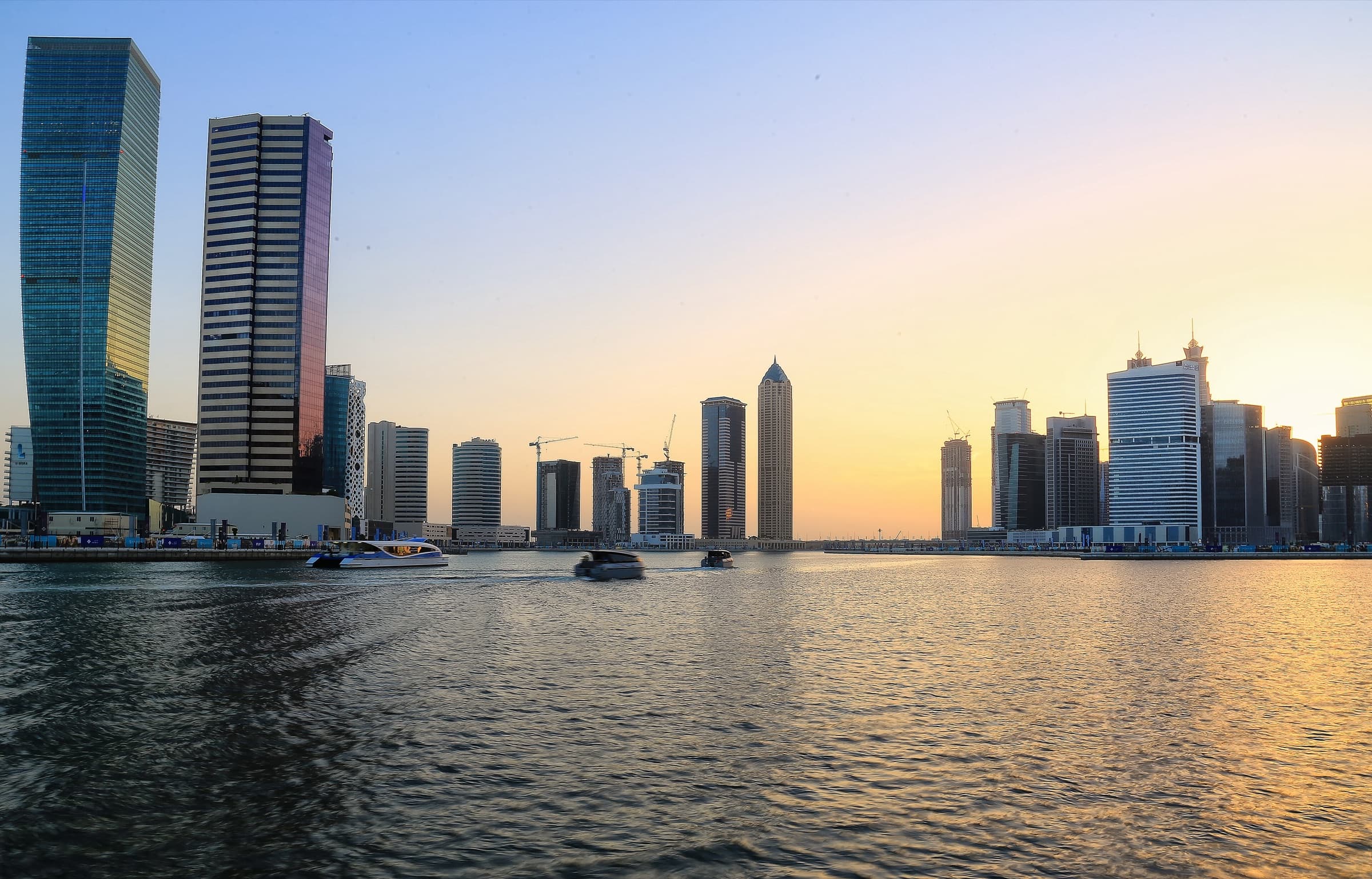
Business Bay
Business Bay is a mixed-use central district built along an extension of Dubai Creek, combining office towers, residential high-rises and a waterfront promenade beside Downtown Dubai.
Guides
Off-plan property in Dubai: how it works and what to check
How buying from a developer before completion works in Dubai: the sale agreement, Oqood registration, escrow protection, payment schedules and handover risk.
9 min read
Selling property in Dubai: what to prepare and what to expect
How a resale works in Dubai from the owner’s side: pricing realistically, preparing the paperwork, dealing with an existing mortgage and completing the transfer.
8 min read
Dubai property buying costs: fees and charges explained
What it costs to buy property in Dubai on top of the price: the 4% DLD transfer fee, trustee and title deed fees, agency commission, mortgage fees and ongoing service charges.
6 min read
Mortgages in the UAE: how they work
How UAE home finance generally works: who lenders lend to, what they assess, how residents and non-residents differ, and fixed versus variable rates.
8 min read
Buying UAE property as an international buyer
The cross-emirate view for overseas buyers: why rules differ between Dubai and Abu Dhabi, buying remotely, power of attorney, banking and currency.
8 min read
Ready to talk it through? See how we advise on buying in Dubai
Dubai advisory
Your situation is specific.
A guide gets you oriented. A conversation fits it to you.