
Dubai · Market overview
Dubai property market
A vertical, international market that moves quickly, and rewards buyers who understand the developer, the community and the cost of entry before they commit.
The short answer
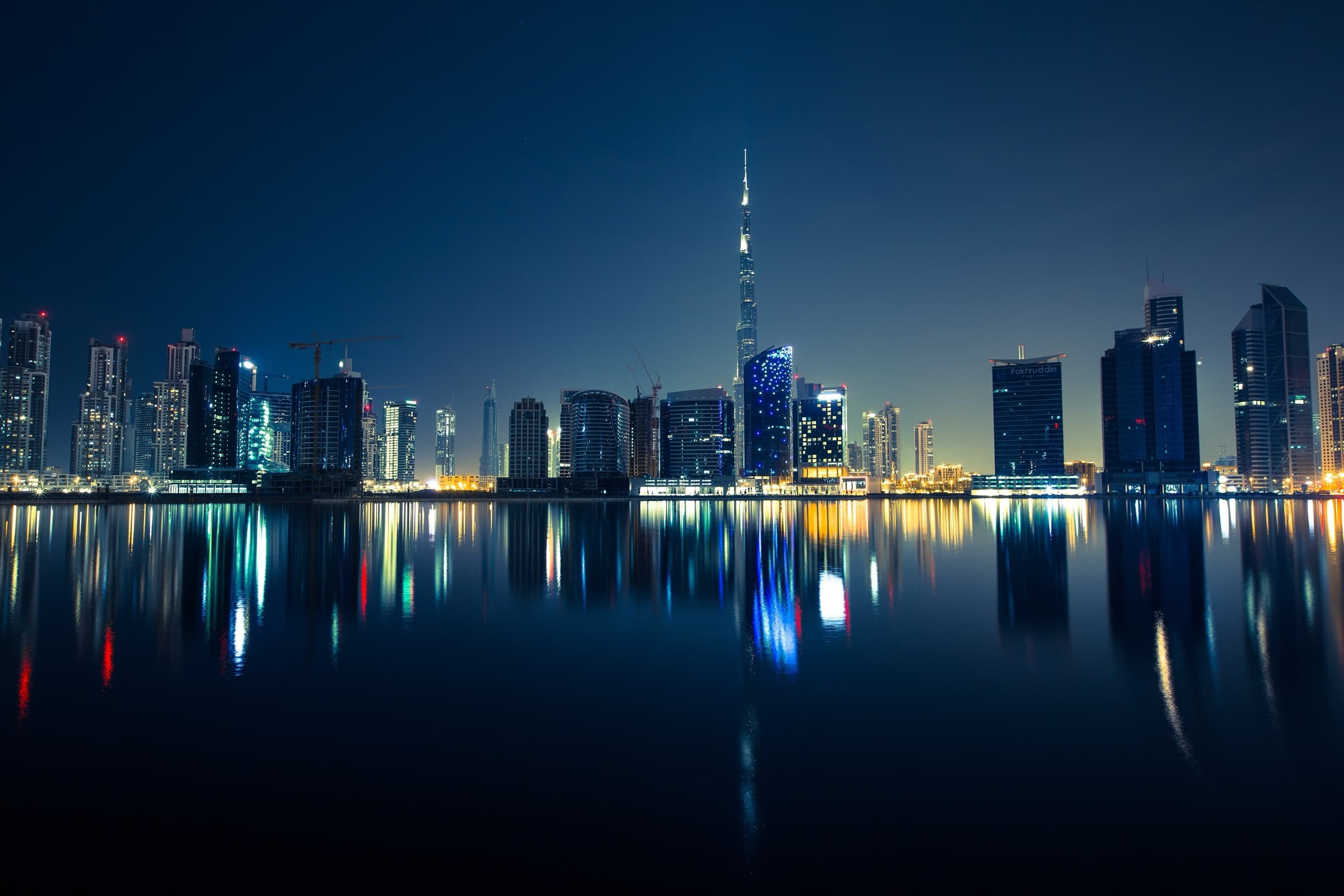
Dubai is a large, internationally traded property market: fast-moving and open to foreign ownership in designated freehold areas. What sets it apart is breadth. Ready and off-plan stock, established and emerging communities, and a wide field of developers all sit in one city, so the quality of a decision depends on the community, the developer and the terms rather than on the city alone.
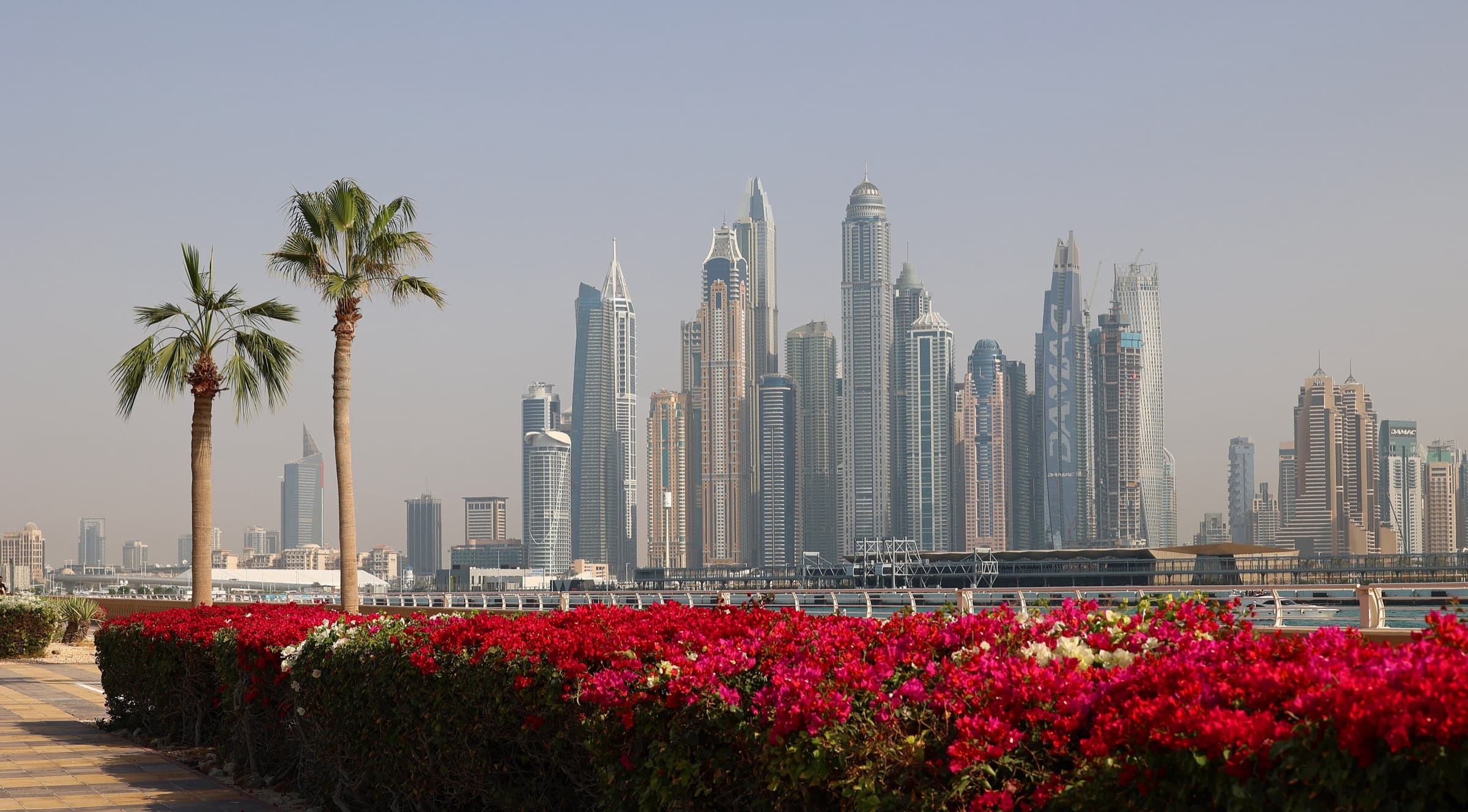
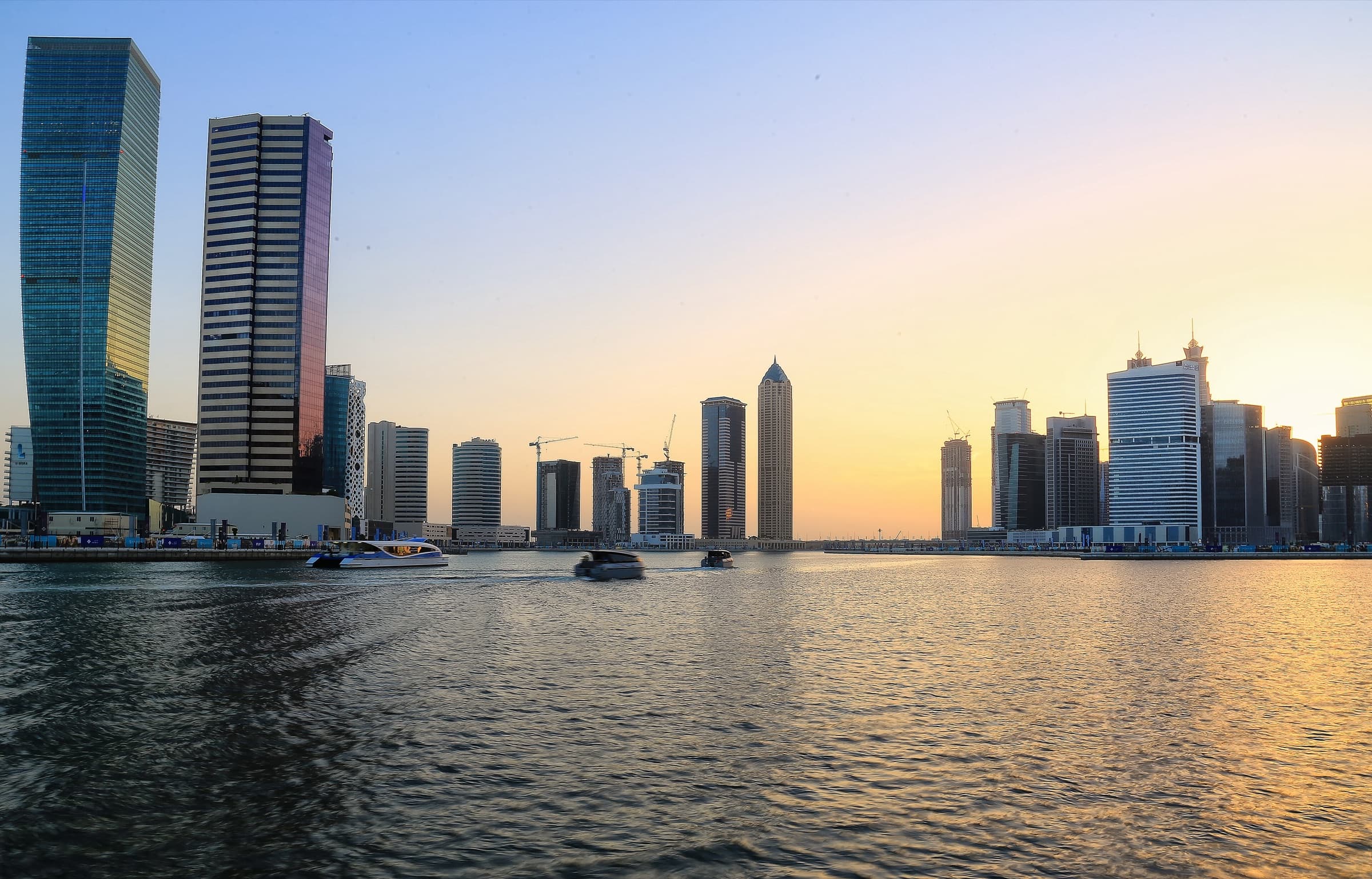
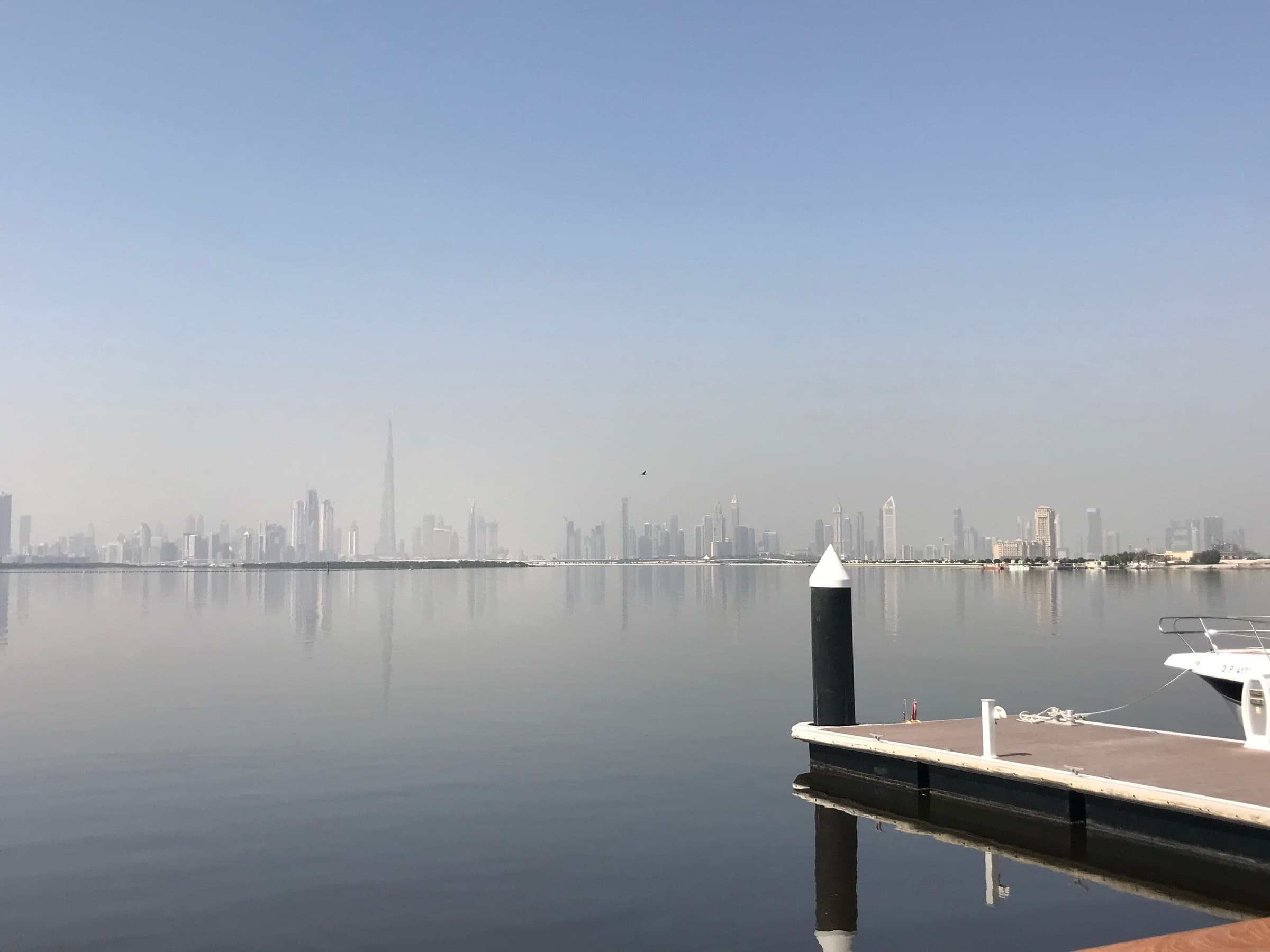
The city runs along the coast, with the oldest districts around the Creek and the newer waterfront and inland communities extending south-west. Most residential property is organised into named, master-planned communities, each with its own developer, density and ownership terms, so the community is the first useful unit of comparison.
Buildings range from high-rise towers on the water to low-rise villa neighbourhoods built around parks and golf courses. Neither is better in the abstract. They suit different households, different holding periods and different kinds of tenant demand.
Dubai in brief
- Character
- Vertical, waterfront and master-planned
- Market depth
- International buyer and tenant base; wide developer field
- Registration and regulation
- Dubai Land Department and its Real Estate Regulatory Agency (RERA)
- Nucleus coverage
- Sales and leasing brokerage under a Dubai commercial licenceSee credentials
Who it may suit
Who tends to look at Dubai
A market is rarely right or wrong in the abstract. These are the situations where it tends to fit.
International buyers and relocators
Dubai’s freehold areas, English-language market infrastructure and varied community types give newcomers more choice than most cities in the region.
Investors comparing community types
The market offers both established, high-turnover communities and newer, phased ones. The trade-offs between them are specific and worth working through before buying.
Owners and landlords
A deep tenant pool and a formal tenancy system make leasing practical, though service charges, supply and management quality vary widely by building.
Businesses and commercial occupiers
Commercial space sits alongside residential districts and in dedicated business areas, with its own questions on licensing, fit-out and lease terms.
How ownership works
Ownership in Dubai, in brief
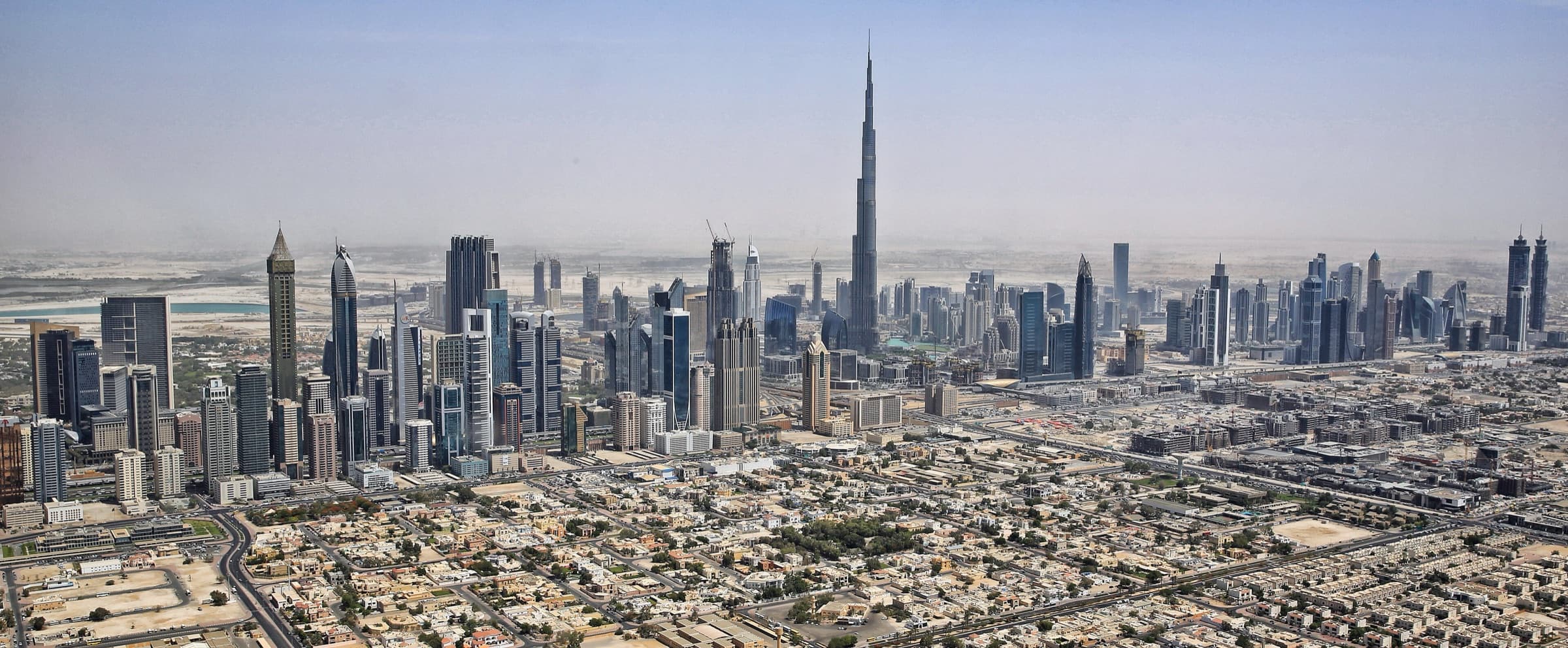
Dubai’s framework is built around designated freehold areas. The practical questions are which area the property is in, how it is registered, and what a buyer pays and when.
- Freehold areas
- Foreign nationals can generally buy freehold in areas designated for it. Outside those areas, ownership terms differ, so the property’s status is the first thing to confirm.
- Registration
- The Dubai Land Department registers transfers and off-plan sales. RERA, its regulatory arm, oversees developers, brokers and project accounts.
- Ready versus off-plan
- A completed property transfers against a title deed. An off-plan purchase is a contract on something not yet built, with its own registration, payment schedule and delivery risk.
General information, not legal advice. Confirm current rules, fees and eligibility with the relevant authority before you commit.
Kinds of place
Four kinds of Dubai community
Decide what kind of place you want first. Then compare the areas of that kind.
Waterfront and high-rise
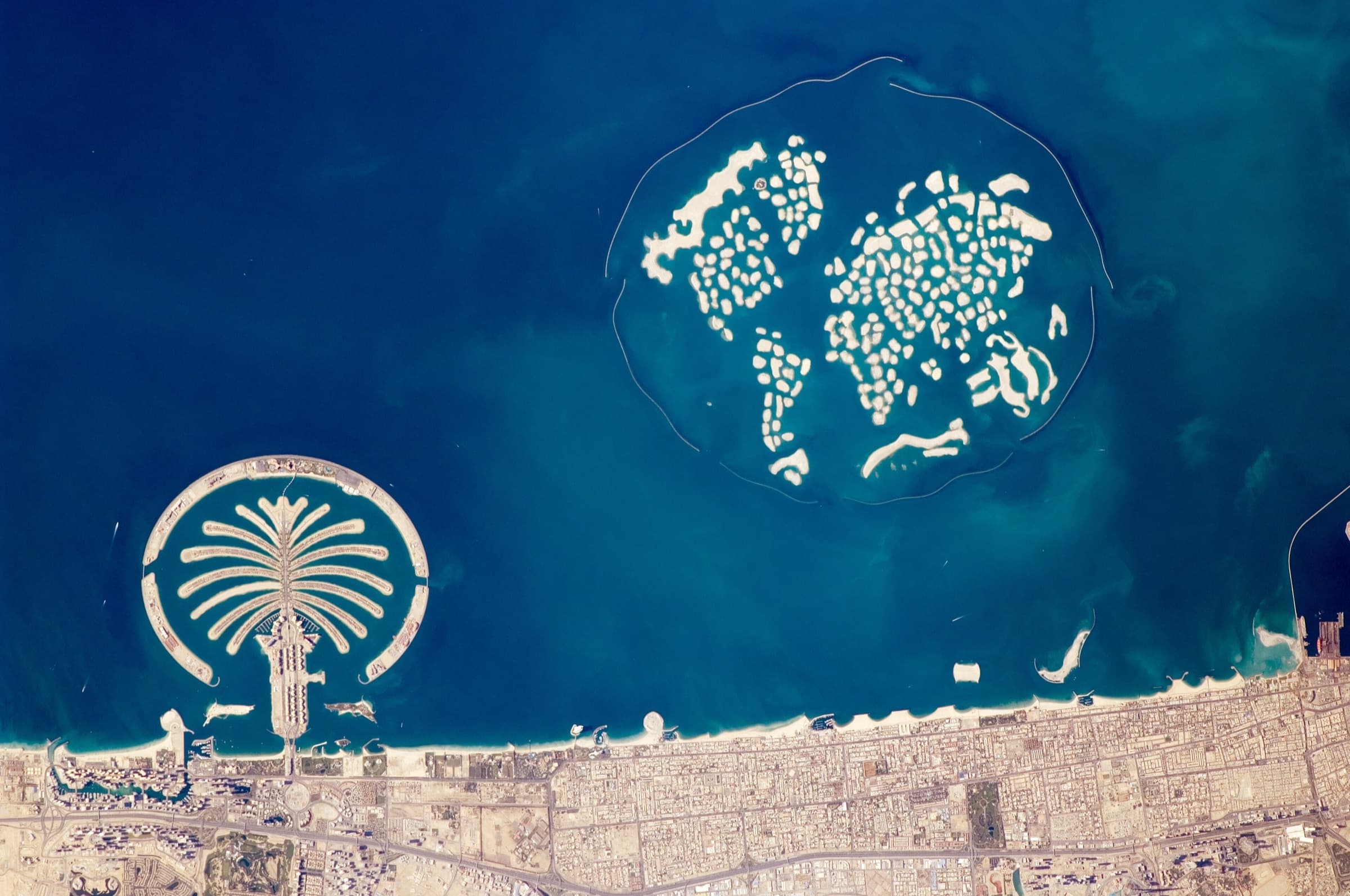
Marina towers, beachfront strips and the island communities. Strong lifestyle appeal and high density, with service charges and views that vary building by building.
Urban core and business districts
Central, walkable-by-Dubai-standards districts close to offices, leisure and the main roads. Often apartment-led, with a mix of owner-occupiers and tenants.
Low-rise, villa and park communities
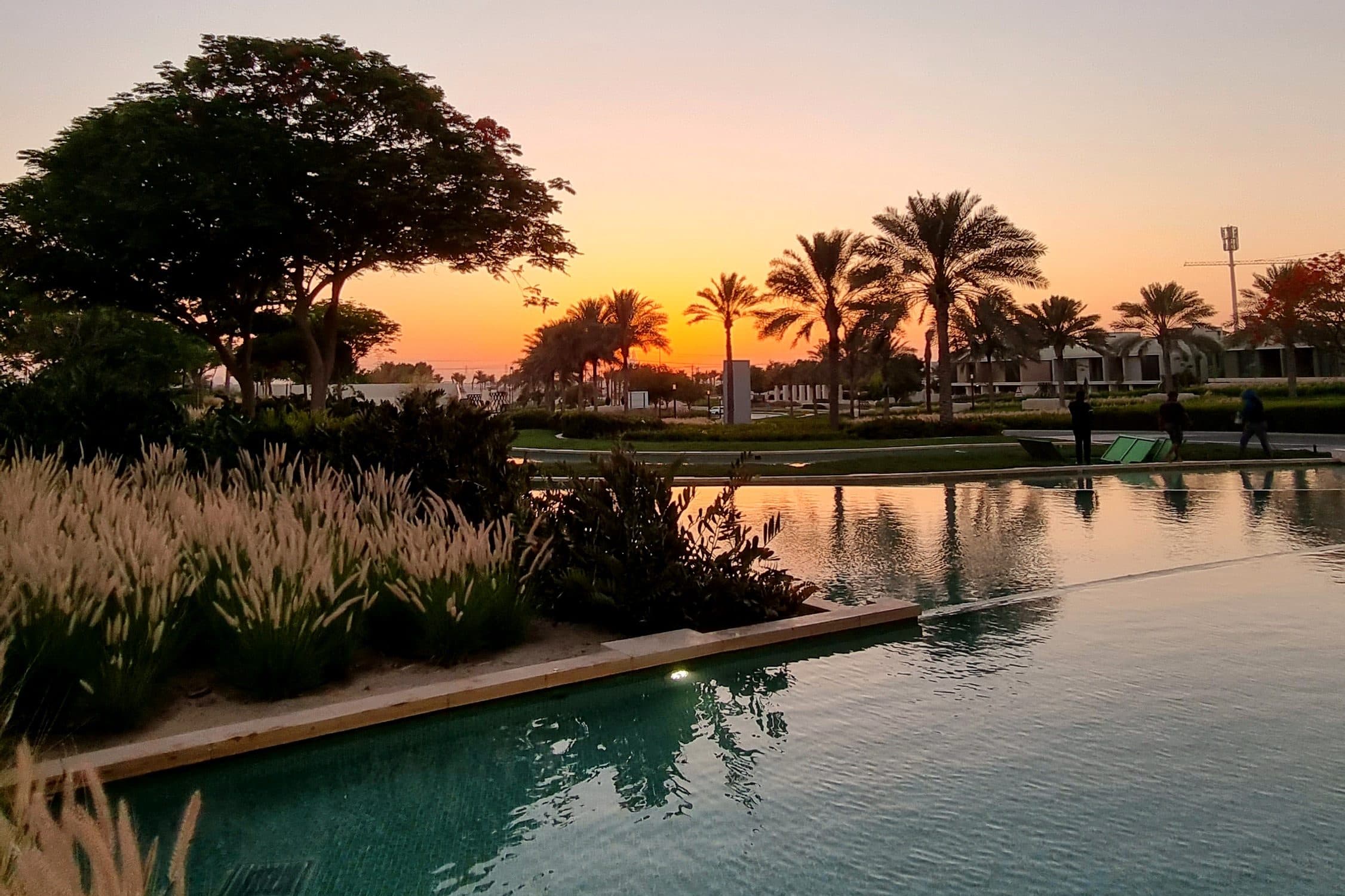
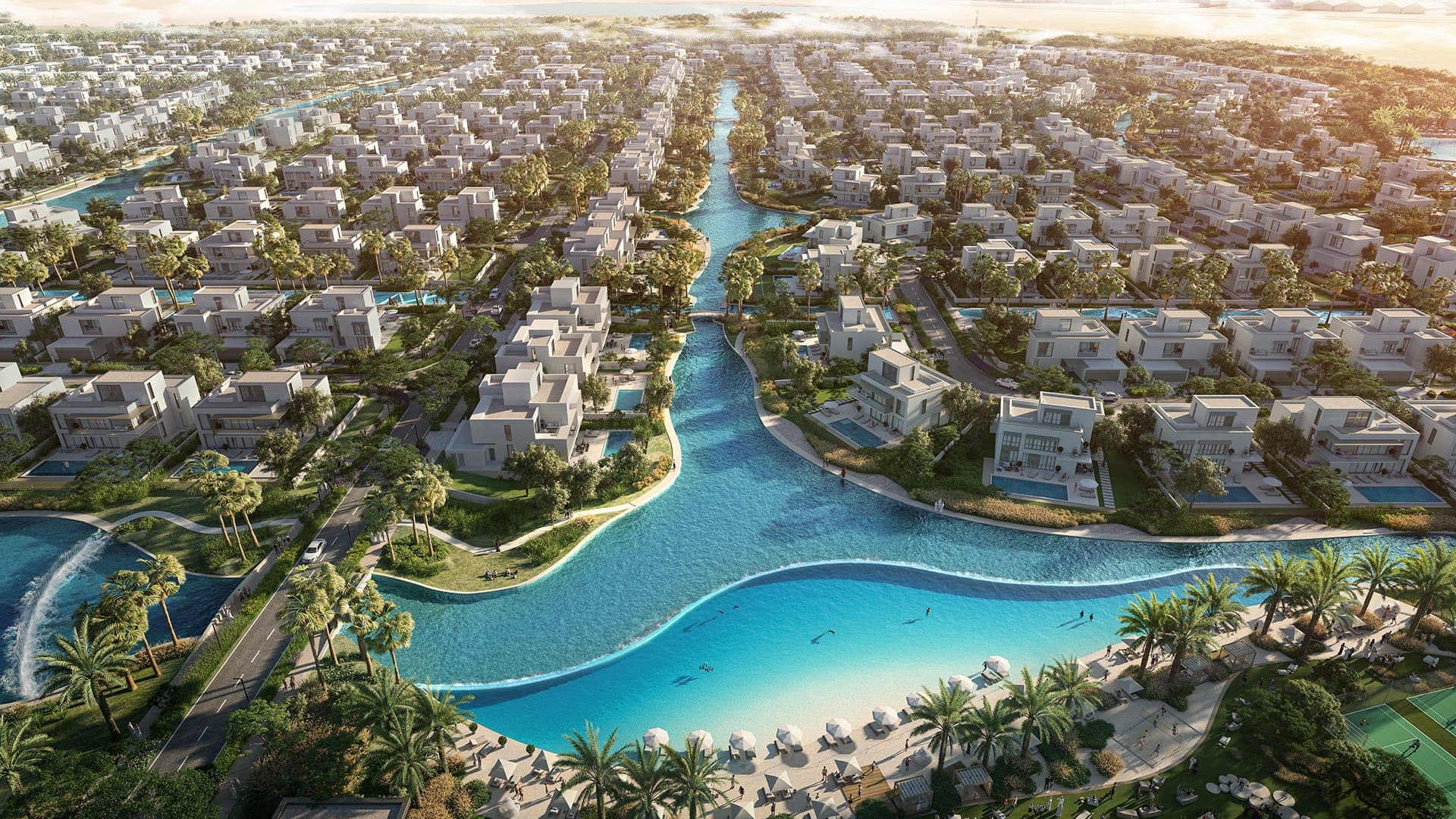
Family-oriented neighbourhoods of townhouses and villas organised around parks, schools and golf. More space and quieter streets, further from the coast.
Mid-market and emerging communities
Communities still maturing or on the edge of the city. Often more accessible entry points, with infrastructure and surrounding supply worth studying closely.
Selected areas
Communities, from the creek to the coast
Developer context
Developers to know in Dubai
Each developer has one canonical profile. These are names often encountered in this market; appearing here is not an endorsement or a partnership.
Emaar
A Dubai master-developer associated with large, planned districts that combine homes, retail and public space, from central towers to low-rise suburban communities.
Origin · Dubai
DAMAC
A Dubai developer known for branded and design-led residential towers and for large suburban masterplans with golf and water themes.
Origin · Dubai
Sobha
A Dubai developer that describes its model as backward-integrated, known for landscaped masterplans and a design and finish emphasis.
Developer profile
Nakheel
A Dubai master-developer associated with large waterfront and island schemes, including Palm Jumeirah, and with several suburban communities.
Origin · Dubai
Meraas
A Dubai developer associated with lifestyle and coastal destinations that mix residential, retail, dining and public space, alongside suburban communities.
Origin · Dubai
Binghatti
A Dubai developer known for distinctive, design-led residential towers and for branded residences.
Origin · Dubai
Practical guidance
Understand Dubai before you decide
Buying property in Dubai: how the process works
A plain-English walk through buying a ready residential property in Dubai: who regulates what, the order of the steps, the checks that matter and the mistakes buyers commonly make.
9 min read
Investing in Dubai property: what to weigh
The questions an investor should ask about Dubai property before looking at any individual unit: objective, holding costs, liquidity, supply and risk.
8 min read
Off-plan property in Dubai: how it works and what to check
How buying from a developer before completion works in Dubai: the sale agreement, Oqood registration, escrow protection, payment schedules and handover risk.
9 min read
Dubai property buying costs: fees and charges explained
What it costs to buy property in Dubai on top of the price: the 4% DLD transfer fee, trustee and title deed fees, agency commission, mortgage fees and ongoing service charges.
6 min read
Risks and considerations
What to keep in mind
Every market has trade-offs. We would rather state them early.
Supply and cycles
Dubai delivers a lot of new stock, and conditions can change quickly. Look at what is planned near a community, not only what stands today.
Developer and delivery
Developers differ in record, specification and aftercare. For off-plan, the delivery history matters more than the brochure.
Running costs
Service charges, community fees and maintenance vary and compound over a holding period. Ask for the current figures, in writing, before you commit.
Concentration
A strong run in one district can hide how dependent it is on one type of buyer or tenant. Diversification is a question to raise early.
Regulatory context
Dubai’s regulators and registers
- Freehold areas and who can buy
- Foreign buyers can generally own freehold property in designated areas of Dubai. Which communities qualify, and on what terms, should be confirmed for each property before any commitment.
- Off-plan registration and escrow
- Off-plan sales are registered with the Dubai Land Department, and developers are generally required to hold buyer payments in regulated escrow accounts. The practical detail (what is registered, when, and how funds are released) differs by project, so ask to see it.
- Title and transfer
- Ownership of a completed property is evidenced by a title deed issued through the Dubai Land Department. Transfer fees and other costs are set by the authorities and by the parties’ agreement; confirm current rates against official sources before you commit.
General information, not legal advice.
Dubai
Questions people ask
Can non-residents buy property in Dubai?
In general, yes, in designated freehold areas. Eligibility depends on the community and the property, so it should be confirmed for the specific purchase.
How is Dubai different from Abu Dhabi for a buyer?
Dubai is larger, faster-moving and more internationally traded, with a wider range of developers. Abu Dhabi is more government-linked and long-horizon, with its own regulator and ownership framework. Our comparison sets the two side by side.
Does Nucleus list properties for sale?
No. Nucleus is an advisory and market-intelligence business. We help you frame a decision, understand developers and developments, and work through a purchase, sale or lease. We do not run a listings portal.
Where do I start if I am new to the market?
Start with the path that matches you (buying, investing, off-plan, selling or renting) and read the matching guide. When you want to apply it to your own situation, speak to an advisor.
Is Nucleus licensed in Dubai?
Nucleus Properties L.L.C. holds a Dubai commercial licence covering real estate sales brokerage and leasing brokerage. Regulated services such as mortgages and legal work are not provided by Nucleus directly; where needed, they are coordinated with appropriately authorised providers. See the credentials page for current details.
Sources
- 01Dubai Land Department — official services and informationDubai Land Department
- 02Real Estate Regulatory Agency — regulation and guidanceRERA (Dubai)
- 03Dubai real estate legislation (property registration, escrow, interim register, tenancy)Government of Dubai Legislation portal
- 04Nucleus editorial reviewNucleus Properties
Dubai advisory
Talk to a Dubai advisor.
A short conversation about what you’re weighing up — no obligation, no inventory pitch.