
Research· Dubai
Dubai: reading a market of many markets
A qualitative perspective on how Dubai property is structured, where the variation sits and what to ask first.
- Length
- 6 min read
Key findings
- A single Dubai figure hides large differences between communities, building types and completion stages.
- Ownership and registration run through Dubai’s own land department and regulator, and foreign ownership is limited to designated areas.
- Holding costs, handover timing and exit routes tend to matter more than the headline price.
One city, several markets
Talk of “the Dubai market” compresses very different things. A waterfront apartment tower, a family villa community and a business district apartment are bought for different reasons, by different people, and behave differently when conditions change.
A useful first step is to decide which kind of place you are actually considering. Waterfront and resort-style living, central urban living, master-planned villa communities and more affordable apartment districts each have their own supply pattern, their own typical owner and their own running costs.
The regulatory frame
Property transactions in Dubai are registered with the Dubai Land Department. Real-estate conduct and project rules sit with the Real Estate Regulatory Agency, a Dubai Land Department body. Foreign nationals can generally own freehold only in areas Dubai has designated for it, so the first check on any property is whether its area carries that designation.
Off-plan purchases, where the building is not yet complete, follow additional rules, including project registration and the use of regulated project accounts. The exact requirements and the fees involved are set by the authorities and change over time, so confirm them for the specific project rather than relying on a general description.
Cycles and the holding horizon
Dubai’s market has moved through pronounced cycles in the past, with periods of rapid activity and periods of adjustment. That history is a reason to think in years rather than months, and to be sceptical of any argument that treats the recent direction of the market as permanent.
It also argues for being clear about how you would hold the property through a weaker period: who pays the running costs, how comfortable the financing is, and whether you would need to sell on a timetable you do not control.
What tends to matter more than price
Service charges, building management quality, the pipeline of similar units arriving nearby, and the developer’s record of delivering on time all shape the outcome of a purchase. None of them appears in a headline price, and several vary a great deal between otherwise similar buildings.
For off-plan purchases the delivery record and the payment schedule deserve the same attention as the unit itself. Our research note on reading a developer’s track record sets out how to check this without relying on marketing material.
Questions worth asking first
What is the purpose of the purchase and the holding period? Is the area designated for foreign freehold ownership? What will the building cost to run each year, and who sets those charges? How much comparable supply is due to complete nearby? If the answers are unclear, that is a reason to slow down, not speed up.
Sources
- 01Dubai Land Department — official services and informationDubai Land Department
- 02Real Estate Regulatory Agency — regulation and guidanceRERA (Dubai)
- 03Nucleus editorial reviewNucleus Properties
This publication is for general information and is not legal, tax or financial advice. Nothing here is a prediction or a promise of return.
Continue your research
Areas
Dubai Hills Estate
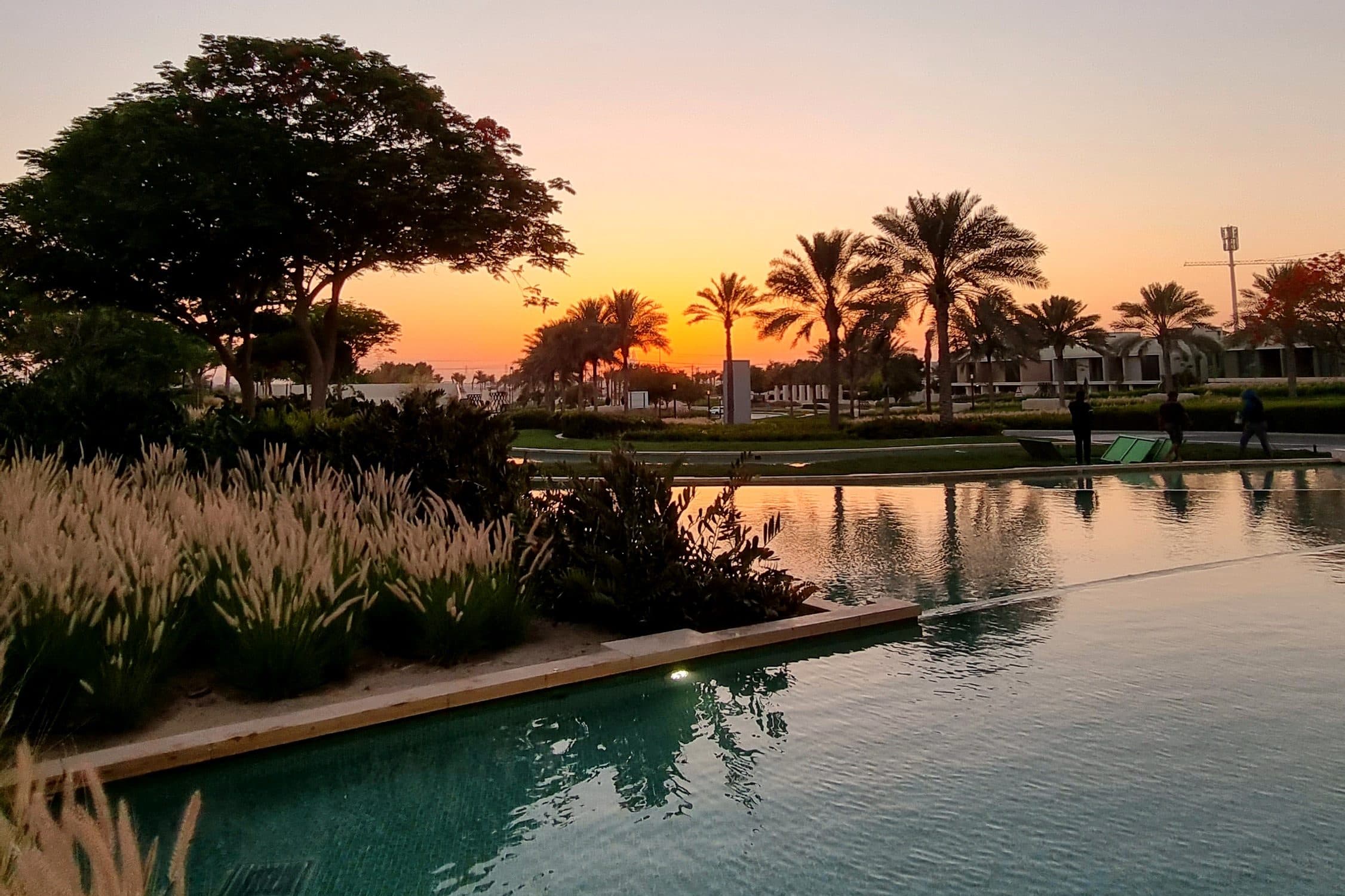
Dubai Hills Estate is a master-planned, green-led residential community in central Dubai, built around an 18-hole golf course, Dubai Hills Park and Dubai Hills Mall. It suits families and long-horizon owners.
Downtown Dubai
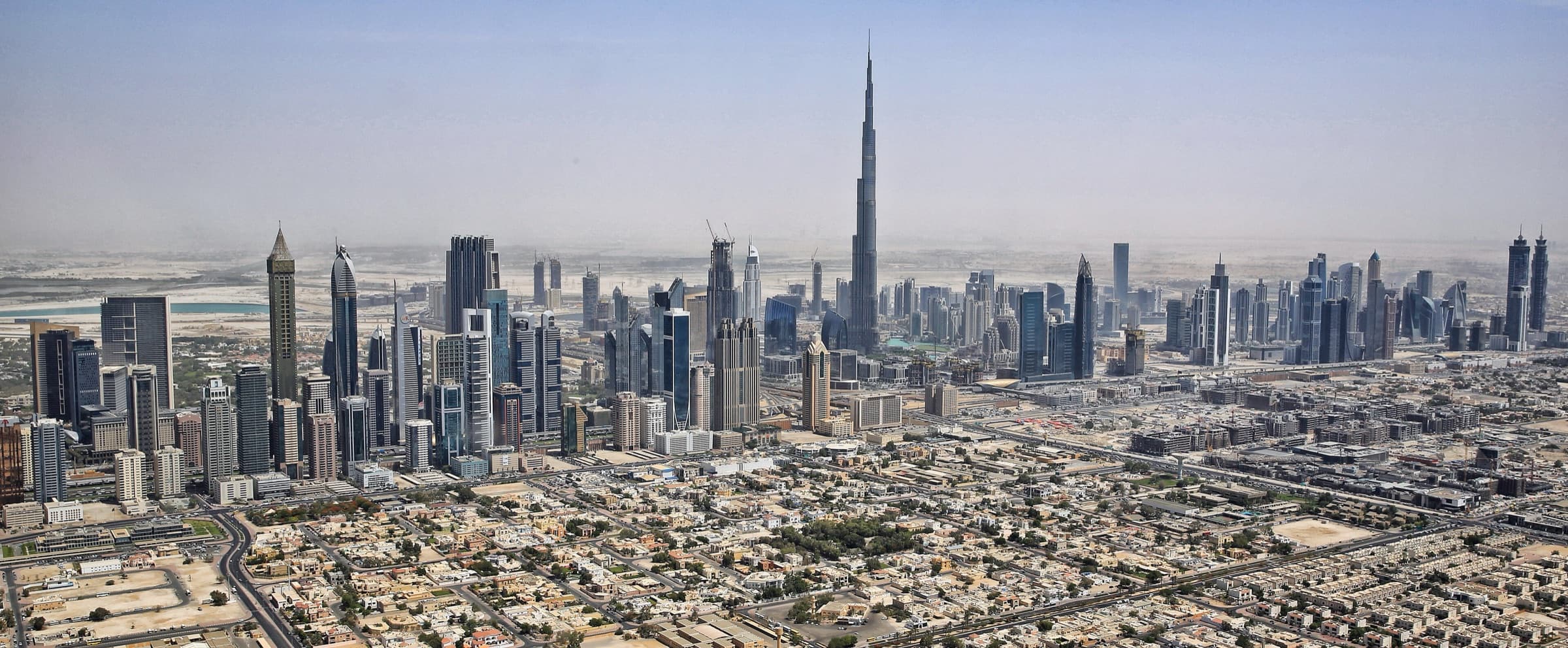
Downtown Dubai is a dense, high-rise city-centre district built around the Burj Khalifa, The Dubai Mall and Burj Khalifa Lake. It is an urban address for apartment buyers who value centrality and convenience over space.
Dubai Marina
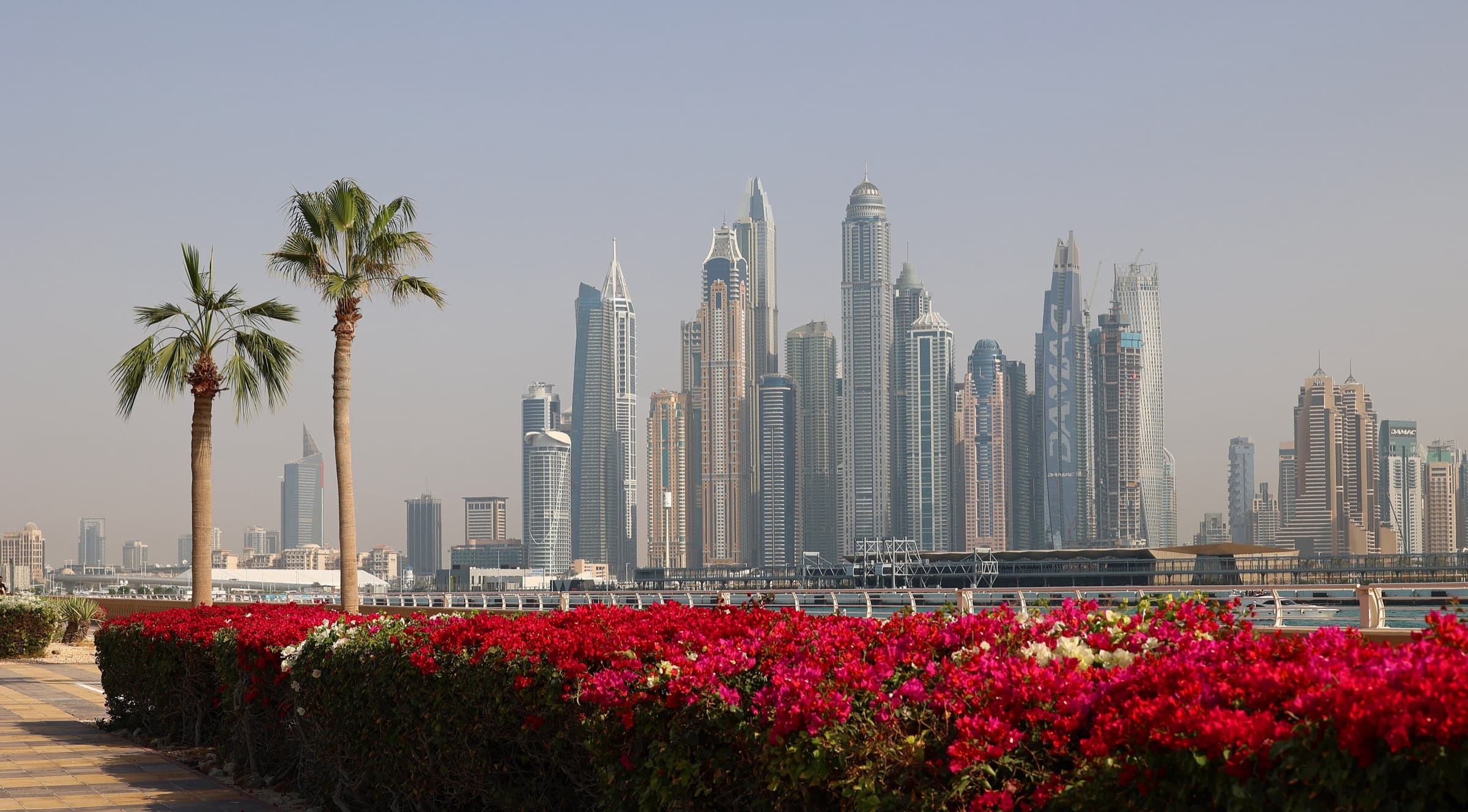
Dubai Marina is a waterfront district of high-rise towers around a man-made marina, with a walkable promenade, dining and an established rental market. It suits apartment living close to the sea rather than villa living.
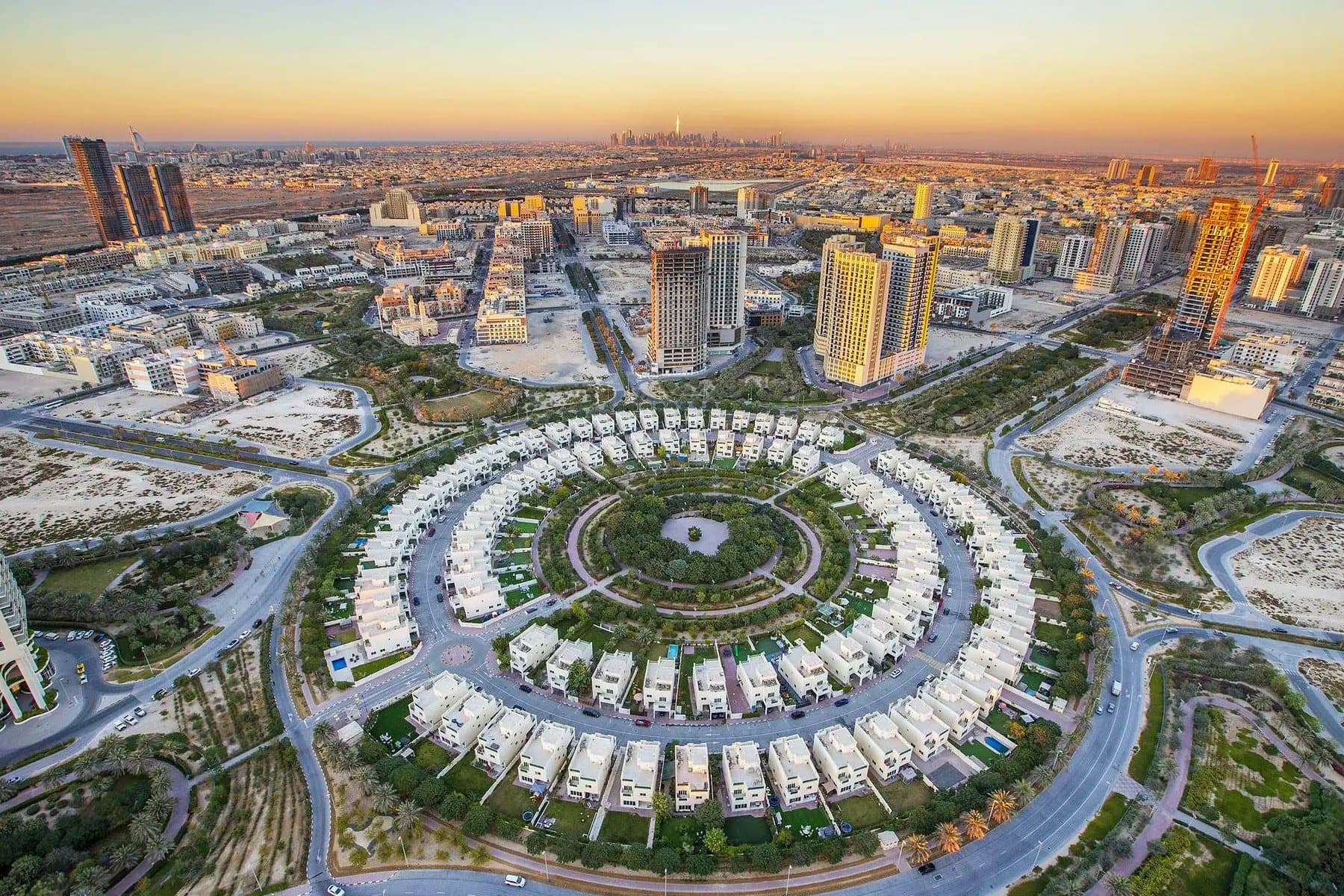
Jumeirah Village Circle
Jumeirah Village Circle (JVC) is a large, mostly low- to mid-rise residential district laid out in a circular pattern in central-western Dubai. It is a mainstream apartment, townhouse and villa community with many developers.
Developers
Emaar
A Dubai master-developer associated with large, planned districts that combine homes, retail and public space, from central towers to low-rise suburban communities.
Origin · Dubai
Nakheel
A Dubai master-developer associated with large waterfront and island schemes, including Palm Jumeirah, and with several suburban communities.
Origin · Dubai
Guides
Buying property in Dubai: how the process works
A plain-English walk through buying a ready residential property in Dubai: who regulates what, the order of the steps, the checks that matter and the mistakes buyers commonly make.
9 min read
Dubai property buying costs: fees and charges explained
What it costs to buy property in Dubai on top of the price: the 4% DLD transfer fee, trustee and title deed fees, agency commission, mortgage fees and ongoing service charges.
6 min read
Dubai advisory
Speak to someone who works this market every day.
A short conversation about what you’re weighing up — no obligation, no inventory pitch.